Pages

Thursday, July 4, 2019

Charlesworth reserve trip.

Kia ora bloggers on the 3rd of July my class and the kiwi can leaders went and  two other went to Charlesworth reserve.  The reason we went there is because we were going to plant plants for the major planting that the government are planing on doing. When we got there we had Morning tea then after we Morning tea we met one of the park ranger he talked about the park and it's history.  After he talked about the history and stuff we went for a five minute bush walk which lead us to the place we were planting.  The place we were planting was in the wetlands so it was really sticky and gooey the land was made up of clay sand and water from the sea.  The park ranger then gave us shovels and then teached us how to plant a plant after that we got to work there were plants scatted around the place for us to plant there were load and loads of little crabs and sea snails.  After about one or two hours of planting trees we went and had lunch for about fifteen minutes.  After lunch we got back on the bus and went around the back of Mitre ten mega and picked up the rubish in the park we did that for about an hour after that we went back to school.

Here are some photos and videos


Wednesday, June 26, 2019

Comunity impact project

Kia ora bloggers on Wednesday 3rd of July 3rd of Julywe are going to Charlesworth Reserve.
I have made a Slide about it has all the facts you need to know about Charlesworth Reserve and trees and why we are going on this trip.


Friday, June 14, 2019

Drama

Kia ora blogers on Tuesday the 11th this week  we had our first drama lesson with Mrs Clark fist we played  games like tequila and other ones I can not remember.  After we did the games we got into groups of four I went with Kadyn James and Myself we had to act something out my group so we did a race here are some images. 

Thursday, June 13, 2019

Facts about coal and climate change.


Kia ora blogers today for science we got to pick a topic either oil or coal and i chose coal there is also some things about climate change.


Here is a slide the will tel you about coal and climate change enjoy!!!


Monday, June 10, 2019

Science Exspectations and Sceince setup.

Kia Ora blogers today is the day we come back to doing Science here is Mr Palmer's Science Expectations...

Science Badges:
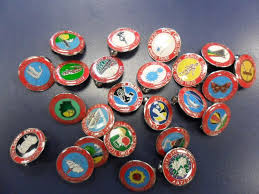

Image result for science badge  

'Conservation'  

  • Climate Science
  • Global Warming
  • Recycling
  • Renewable Energy
  • Fossil Fuels
  • Ecology
  • Our Planet
  • Water
  • Plants
  1. 15 Points are needed to get a badge
  2. A high standard of work.
  • All experiments are written up ( Aim, Materials, Steps, Conclusion)
  • Two photos of your experiment
  • 6 sentences at least for a conclusion

Science will be twice per week.

  • Lesson 1: This will be an Experiment that involves blogging. You will be expected to open a new post, copy Mr Palmer's blog and paste it on your new post.
  • Lesson 2: This will be an Investigation that relates to the topic from Lesson 1. It will be own choice and displayed in a way that you prefer. For example - PowerPoint, Doc, etc

BLOGGING.


All the blogs and science lessons will be displayed on Mr Palmers blog: 

Bookmark it!

Expectations:
  • 1 blog must be completed per Hurumanu lesson.
  • A completed blog must have the four headings ( Aim, Method, Findings, Conclusion), correct writing and punctuation under each heading and be published. No post, no points.
  • 2 images of the experiment / investigation on the blog.
Using the Scientific method of investigation:

Aim: What the experiment / investigation is about.
Method: Instructions on how the experiment / investigation is carried out. This includes the equipment.
Findings: What have we learnt or found out from our experiment / investigation. This is called Data, Information or Facts. It is displayed in a chart, table or picture.
Conclusion:  

WATCH THIS VIDEO AND COMPLETE THE INVESTIGATION.

THE BIG PICTURE


  • What animals keep our jackets warm?
  • What animal makes our boots waterproof?
  • Where does the water in our rivers come from?
  • Why do we need healthy rivers?
  • What are some of the good things about mosquitoes?
  • Why are bees dying?
  • What do bugs do to our leaves
  • R
  • R
  • R
  • How much dung would we be in if there were no dung de- composers?
  • Who runs this planet?

GROUP ACTIVITY; 

  1. Groups of 3 or 4 students.
  2. Need A3 copy paper.

THE ICECAPS HAVE MELTED. MOST OF THE LAND IN THE WORLD HAS BEEN FLOODED AND YOU AND YOUR FRIENDS ARE ON A BOAT IN THE MIDDLE OF KNOW WHERE. YOUR BOAT IS SUDDENLY STRUCK BY A STORM AND YOU BECOME SHIPWRECKED ON A SMALL ISLAND. YOU ARE ONLY ALOUD TO SELECT 20 ITEMS FOR YOUR GROUP. A SECOND BOAT IS TRAVELLING NEAR YOU BUT WILL NOT BE ABLE TO REACH YOU FOR 1 MONTH SO YOU NEED TO GATHER ENOUGH SUPPLIES TO LAST FOR A MONTH.

In your group you need to:

1. Make a list of the 10 things you are going to collect.
2. Draw a map of the island.
4. Draw and label the activities you will be involved with.
  • Renewable energy sites ( wind, solar, hydro, )
  • Living / shelter
  • Growing food
  • Write 3 sentences about how your group is going to live for the next month.
When you are drawing your map you need to list 4 places you can have renewable energy sites.


My Science Goals

1. To achieve all the work been set 
2. Get a Scinece badge  
 

Friday, May 31, 2019

Scones

Kia ora bloggers today for scince we are making scones we have been divided into groups of Four heres my  group: Shontelle Everyln Joseph.  We are going to make three of theam but with difernt ingresents.

  • 1/2 cup Edmonds standard flour
  • 1 tsp Edmonds baking powder  or 1 tsp baking soda                                                     
  • 2 tsp butter
  • 1/4 cup milk, approximately or 1/4 cup lemonade

Materials:
1: Bowl
2: spoon 
3: plate
4: milk
5: Plane flour 
6: butter
7: oven 


Process:
1: first you mix your ingredients 
1 get the baking powder and put in bowl.
2 get milk and also put in bowl
3 get butter and put in bowl
4 Then you m cix and mix with the spoon.
5 Then get the batch and put on the plate.
6 Then shape the bactch.
7 Then put in the oven.


Science

Kia ora blogers today for Science we are learning about Evergreen tree and Dicideous trees.  We went outside and took some photos of some of the trees in our school.  The top one is a Dicideous tree and the bottom one is a Evergreen tree.


1. Evergreen
2. Deciduous

Image result for deciduous
Deciduous
Image result for evergreen
Evergreen


Find three examples of each:

Evergreen: 
1.  Blue spruce
2.  Jack pine 
3.  White fir

Deciduous;
1.  oak
2.  Maple 
3.  Hikory 

LEAVES


Image result for simple leaf

Simple                                 Compound   

Example: 
Plant type: Deciduous / Evergreen
Leaf type: Simple / Compound
Leaf colour: Green
Photo of leaf: Image result for simple leaf
Plant drawing:Image result for tree drawing


MY LEAF COLLECTION


1.
Plant type: Deciduous / Evergreen
Leaf type: Simple / Compound
Leaf colour: Green


RESEARCH 4 TYPES OF PLANTS


Carnivorous plants
Pine trees 
Fruit trees
NZ Natives

Example

Title: NZ Natives
Examples: 
1. New zealand christmas tree 
2. Rimu 
3. Manuka 
4. Silver fern